

Image in Grid — Divide One Photo into Visible Reference Cells

Place a single image inside a labeled 5x5 reference grid. Compare positions across the frame and download one image with the grid included.

  • Free browser tool
  • No signup required
  • No watermark

Image in Grid — Divide One Photo into Visible Reference Cells editor

Grid preview

Blank Square 1:1 grid, 5 rows x 5 columns

OriginalDrawing grid

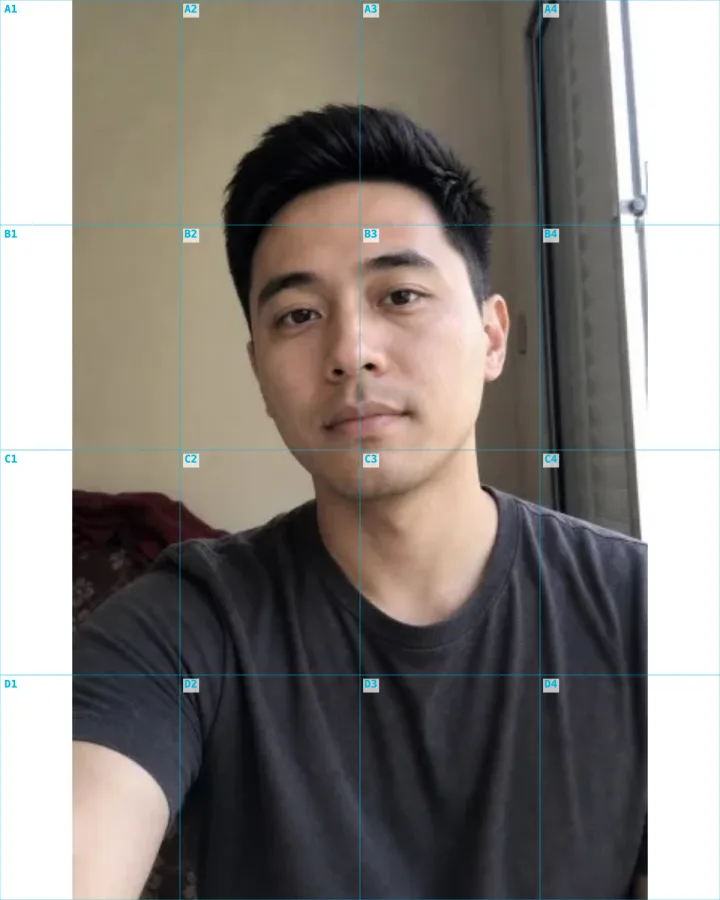
A 4×4 drawing grid keeps the portrait in proportion.

How do I use this tool?

  1. 1.Choose the image to inspect

    Upload one photo. Select a canvas shape that suits its orientation so the reference cells cover the area you want to study.

  2. 2.Set the reference divisions

    Use the starting five rows and five columns, or change them to suit the subject. Enable labels to identify cells during discussion.

  3. 3.Export a single reference

    Review the preview and download the gridded PNG. All cells stay together in one image rather than becoming separate photo files.

Before I download

Will the grid cut my photo into tiles?

No. It produces one image with visible reference lines. A separate image splitter is needed when you want one download per tile.

Can I use a tall reference image?

Yes. Choose portrait, story, or another suitable paper shape. Full photo keeps the complete photo; Fill page may crop it to match the selected output frame.

Use cells to describe locations

A labeled grid is useful when explaining exactly which part of a photograph needs attention. Refer to the visible cell label, then describe a location within it, such as its upper-left quarter. This is clearer than referring only to the middle of a crowded image.

One continuous image across the grid

The subject continues across every grid line; the tool does not duplicate the photo into each cell. A 5x5 layout divides the frame into 25 regions. If you need a collage containing different photos, use a collage tool instead.

AI styles

Try a different look for my photo

Choose a style, preview an example, then create an image with AI credits.

Loading AI templates.